
Is It Normal to Have Ringing in My Ears After an Accident?

Table Of Content Is It Normal to Have Ringing in My Ears After an Accident? Understanding Tinnitus The Impact of an Accident Experiencing an accident can be a traumatic and disorienting event, and often, it can have unexpected consequences on your body and mind. One such consequence that may occur after an accident is a persistent ringing or buzzing sound in the ears, medically known as tinnitus. This condition can cause considerable concern and discomfort, leaving many wondering if it’s normal or if they should seek medical attention. Understanding Tinnitus Tinnitus is the perception of sound, such as ringing, buzzing, whistling, or hissing, in the ears when no external sound source is present. It’s essential to recognize that tinnitus itself is not a disease but a symptom of an underlying issue. Various factors can contribute to tinnitus, including exposure to loud noises, age-related hearing loss, earwax blockage, and yes, trauma, accidents or personal injury. The Impact of an Accident During an accident, especially those involving head or neck trauma, the delicate structures of the ear can be affected. The sudden force and impact can cause damage to the inner ear, auditory nerves, or other components involved in hearing. This damage may manifest as tinnitus, which can be temporary or chronic, and in some cases, may be accompanied by hearing loss or dizziness. When Should You Be Concerned? Experiencing ringing in the ears immediately after an accident is not uncommon. In many cases, this ringing may subside on its own as the body heals from the trauma. However, if the ringing persists, worsens, or is accompanied by other concerning symptoms such as severe dizziness, difficulty hearing, or severe headaches, it’s essential to seek immediate medical attention. Seeking Medical Help If you’re experiencing persistent ringing in your ears after an accident, consulting with an otolaryngologist or an ear, nose, and throat (ENT) specialist is crucial. They can conduct a thorough examination, possibly including hearing tests and imaging studies, to evaluate the extent of the damage and provide an accurate diagnosis. Depending on the severity of the tinnitus and any associated injuries, treatment options may include: Medication: Certain medications may help alleviate the symptoms of tinnitus and manage any accompanying pain or discomfort. Hearing Aids: For those with hearing loss accompanying tinnitus, hearing aids can be beneficial in improving overall hearing and minimizing the perception of tinnitus. Sound Therapy: This involves using external sounds, such as white noise or nature sounds, to distract from the tinnitus and provide relief. Counseling: Professional counseling or cognitive behavioral therapy (CBT) can help individuals manage the emotional impact of tinnitus and develop coping strategies. Experiencing ringing in your ears after an accident, especially if it’s traumatic, is not uncommon. However, it’s crucial to monitor the symptoms and seek medical help if the ringing persists or worsens, or if other concerning symptoms manifest. Prompt evaluation and appropriate treatment can significantly improve your quality of life and help manage any potential long-term effects of the accident on your auditory system. Always prioritize your health and well-being by seeking professional medical advice when needed. If you have been in a personal injury accident that led to an ear injury, it is time you get in touch with a personal injury lawyer like Siler & Ingber who are professional legal advisors and who can help you render the fair compensation that you deserve for your pain and sufferings.
What You Should Know About Pain & Suffering: Explained by a Personal Injury Lawyer

Dealing with the aftermath of a personal injury can be a challenging and emotionally draining experience. From physical pain to emotional suffering, the effects of an injury can impact every aspect of your life. In such trying times, having a knowledgeable and experienced personal injury lawyer by your side can make a significant difference in how you navigate the legal complexities and obtain the compensation you deserve. Understanding Personal Injury Personal injury cases encompass a broad spectrum of situations where an individual is injured due to the negligence or intentional actions of another party. These injuries can occur in various settings, including car accidents, slip and falls, workplace incidents, medical malpractice, and more. The legal process surrounding personal injury cases involves proving that the other party’s actions or negligence led to the injuries and losses sustained. The Role of an Injury Lawyer A personal injury lawyer, also known as an injury attorney, is a legal professional who specializes in representing individuals who have been physically or psychologically harmed due to someone else’s actions. Their primary role is to advocate for their clients’ rights and help them obtain compensation for their injuries, medical bills, lost wages, pain, and suffering, among other damages. Compensation for Pain and Suffering “Pain and suffering” is a term used to describe the physical and emotional distress experienced as a result of an injury. It includes the pain, discomfort, emotional trauma, anxiety, depression, and loss of enjoyment of life that a victim endures after an accident. In personal injury cases, compensation for pain and suffering is often sought as a way to address these intangible damages. The amount of compensation for pain and suffering can vary based on several factors, including the severity and extent of the injuries, the impact on daily life, the duration of the recovery, and the expertise of the injury lawyer in presenting the case. These damages are generally not easily quantifiable, making it essential to have a skilled attorney who can effectively advocate for your rights and secure a fair settlement or court award. Seeking Legal Representation If you have been a personal injury victim, it’s crucial to consult with a reputable injury lawyer as soon as possible. The legal process can be complex, and having a professional guide you through the intricacies of personal injury law can significantly improve your chances of a successful outcome. When hiring an injury attorney, consider their experience, track record, communication skills, and dedication to your case. A seasoned personal injury lawyer will work tirelessly to investigate the circumstances of your injury, gather evidence, negotiate with insurance companies, and represent your interests in court if necessary. Navigating the aftermath of a personal injury can be overwhelming, but having a skilled personal injury lawyer by your side like Siler & Ingber team can ease the burden and help you obtain the compensation you deserve. Remember, seeking legal representation promptly and choosing the right injury attorney can make all the difference in your journey towards healing and securing the financial recovery you need.
Pre-existing Conditions’ Effect on Personal Injury Cases

Personal injury cases can be complex and challenging to navigate, especially when pre-existing medical conditions are involved. If you’re considering pursuing a personal injury claim in New York, it’s essential to understand how pre-existing conditions can impact your case. Here, let us explore the various aspects of pre-existing conditions and their influence on personal injury cases in the state of New York. To guide you through this legal terrain, it’s often advisable to consult with a knowledgeable personal injury attorney. Table Of Content Pre-existing Conditions’ Effect on Personal Injury Cases Understanding Personal Injury Cases in New York Pre-Existing Conditions: What Are They? The Impact of Pre-Existing Conditions Causation: Damages: Mitigation of Damages: Seeking Legal Guidance Conclusion Understanding Personal Injury Cases in New York Personal injury cases in New York are legal disputes that arise when one person suffers harm due to the negligence or intentional actions of another. In these situations, monetary compensation is frequently sought for injury-related costs such as medical bills, lost income, pain and suffering, and other damages. Pre-Existing Conditions: What Are They? A pre-existing condition refers to a medical or health-related issue that an individual had before the accident or incident that led to their personal injury claim. These conditions can range from chronic illnesses, prior injuries, or any health-related issue that existed before the accident occurred. The Impact of Pre-Existing Conditions Causation: One of the primary factors in a personal injury case is establishing that the defendant’s actions directly caused the plaintiff’s injuries. When a pre-existing condition is present, it can complicate matters, as the defendant’s attorney may argue that the injuries were not solely caused by the accident. A skilled personal injury attorney will work to establish a clear link between the accident and the exacerbation of the pre-existing condition. Damages: Pre-existing conditions can also affect the calculation of damages. If an injury aggravates or exacerbates a pre-existing condition, the plaintiff may be entitled to compensation for the increased pain and suffering, medical bills, and other damages resulting from the exacerbation. However, it’s crucial to differentiate between the damages caused by the accident and those related to the pre-existing condition. Mitigation of Damages: New York follows the doctrine of “avoidable consequences,” which means that injured individuals have a duty to mitigate their damages by seeking reasonable medical treatment and following their healthcare providers’ recommendations. Failure to do so could impact the compensation awarded in a personal injury case. If you have a pre-existing condition, it’s especially important to adhere to your treatment plan and medical advice to avoid complicating your case. Disclosure: It is crucial to disclose any pre-existing conditions to your personal injury attorney upfront. Transparency is key, as your attorney needs this information to develop an effective legal strategy. Failing to disclose pre-existing conditions can not only weaken your case but also damage your credibility in court. Seeking Legal Guidance Navigating a personal injury case in New York, especially when pre-existing conditions are involved, can be complex. That’s why it’s essential to consult with an experienced personal injury attorney who understands the nuances of New York’s legal system. Your attorney will help you gather evidence, establish causation, and advocate for your rights, ensuring that you receive the compensation you deserve. Pre-existing conditions do not automatically disqualify you from pursuing a personal injury claim in New York. However, they can complicate matters and require careful handling by an experienced personal injury attorney. By understanding the impact of pre-existing conditions and seeking legal guidance, you can increase your chances of a successful outcome in your personal injury case. Remember that every case is unique, and having the right legal representation is crucial to protecting your rights and interests. Conclusion In conclusion, personal injury cases in New York can be complex, especially when pre-existing conditions are involved. While pre-existing conditions don’t automatically disqualify you from pursuing a claim, they can complicate matters. It’s crucial to establish a clear link between the accident and the exacerbation of the pre-existing condition, disclose these conditions to your attorney, and seek skilled legal guidance. With the right representation, you can navigate these complexities, gather evidence, and increase your chances of a successful outcome in your personal injury case. Remember that protecting your rights and interests should always be a top priority.
6 Reasons To Hire Siler & Ingber, LLP as Your Personal Injury Lawyer

Accidents may leave us physically, emotionally, and financially devastated, and they often occur when we least expect them. The repercussions can be severe, whether you were in a vehicle accident, a pedestrian accident, or a construction accident. During these challenging times, having a knowledgeable and dedicated personal injury lawyer by your side is crucial. Table Of Content 6 Reasons To Hire Siler & Ingber, LLP as Your Personal Injury Lawyer Siler & Ingber, LLP, is a renowned law firm that specialises in personal injury cases Example. Expertise in Personal Injury Law Proven Track Record Personalized Attention Thorough Investigation Skilled Negotiators and Trial Lawyers Compassionate and Supportive Advocacy Conclusion Siler & Ingber, LLP, is a renowned law firm that specialises in personal injury cases Example. 1. Expertise in Personal Injury Law Siler & Ingber, LLP, boasts a team of experienced and skilled personal injury lawyers who are well-versed in the nuances of this area of law. Their expertise covers a wide range of personal injury cases, including car accidents, pedestrian accidents, and construction accidents. With their in-depth knowledge, they can provide you with the best legal advice and representation tailored to your specific situation. 2. Proven Track Record When selecting a personal injury lawyer, it’s essential to choose a firm with a proven track record of success. They have a track record of helping their clients come out ahead. Their extensive experience and dedication to each case have led to numerous settlements and verdicts that have significantly benefited their clients. 3. Personalized Attention At Siler & Ingber, LLP, you won’t be treated as just another case number. They understand that every personal injury case is unique, and they take the time to understand your individual circumstances and concerns. You will receive the consideration and assistance you require throughout the legal procedure, thanks to their individualised approach. 4. Thorough Investigation Winning a personal injury case requires a thorough investigation to establish liability and gather evidence. They go the extra mile to investigate your case meticulously. Whether it’s gathering accident reports, interviewing witnesses, or consulting with experts, they leave no stone unturned in building a strong case on your behalf. 5. Skilled Negotiators and Trial Lawyers Siler & Ingber, LLP, has a team of skilled negotiators who are adept at handling insurance companies and ensuring that you receive fair compensation. If a fair settlement cannot be reached, they are also prepared to take your case to court and fight for your rights as trial lawyers. 6. Compassionate and Supportive Advocacy Dealing with a personal injury may be exhausting on both a physical and emotional level. They understand the challenges you’re facing and provide compassionate and supportive advocacy. They are committed to helping you navigate the legal process while also offering the emotional support you need to recover from your injuries. Conclusion when you’re faced with the aftermath of a personal injury, hiring an experienced and dedicated personal injury lawyer is essential. Siler & Ingber, LLP, stands out as a top choice for individuals seeking legal representation in cases involving car accidents, pedestrian accidents, and construction accidents. With their expertise, track record of success, personalised approach, thorough investigation, negotiation skills, and compassionate advocacy, they are well-equipped to fight for your rights and help you obtain the compensation you deserve. Don’t face your personal injury case alone; choose Siler & Ingber, LLP, to be your trusted legal partner during this challenging time.
What Happens If A Work Related Injury Ends Your Career?
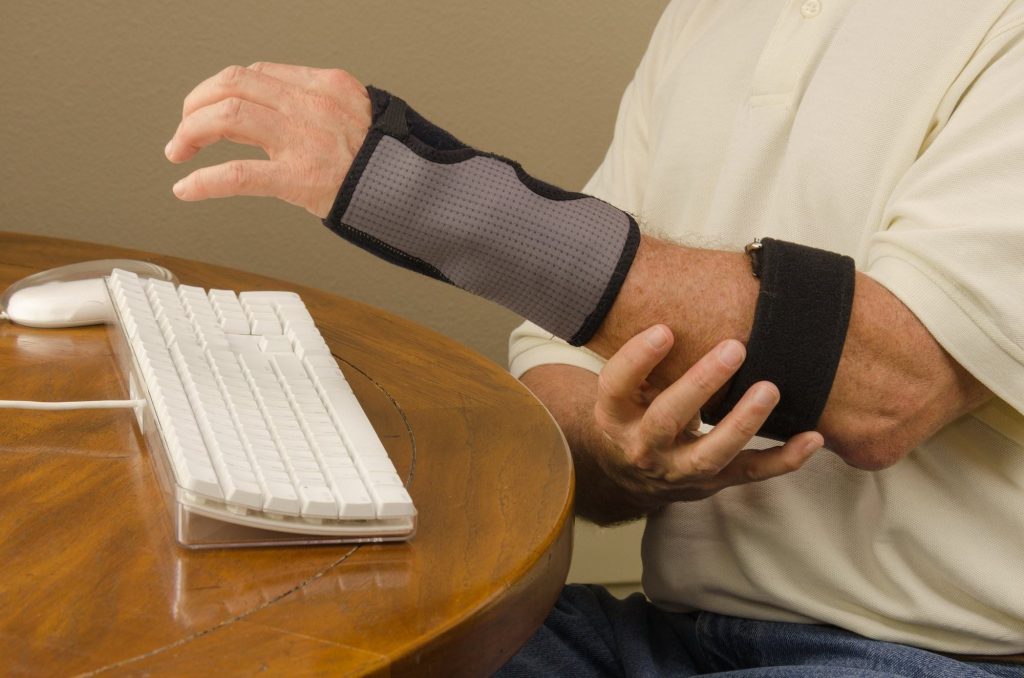
If a work-related injury ends your career, the consequences can be devastating both financially and emotionally. In New York City, where the job market is fiercely competitive and living expenses are high, losing the ability to earn a livelihood can have severe implications. Without a steady income, individuals may struggle to pay their bills or maintain their standard of living, especially in areas such as Manhattan or Brooklyn where housing costs are exorbitant. Being injured in a construction accident can have significant legal and financial implications. In such cases, you may need the assistance of a personal injury attorney or an injury lawyer who specializes in work-related injuries and workers’ compensation claims. Here’s what typically happens in such situations: Consultation: Your first step would be to consult with a personal injury attorney or injury lawyer who specializes in work-related injuries. During the initial consultation, you would discuss the details of your case, including the circumstances of the injury, the extent of your injuries, and the impact on your career. Evaluation of Workers’ Compensation: Your attorney would review your workers’ compensation claim to ensure that you are receiving the appropriate benefits and compensation for your injuries. They will also assess whether the benefits adequately cover the loss of your career and potential future earnings. Investigation: Your attorney will investigate the circumstances of the work-related injury to determine whether there were any violations of safety regulations, negligence on the part of your employer, or any other factors that contributed to your career-ending injury. Third-Party Liability: In some cases, there may be third parties (entities other than your employer) who could be held liable for your injury. For example, if a defective product or equipment caused your injury, you might have a separate personal injury claim against the manufacturer or distributor. Negotiation: Your attorney will negotiate with your employer’s workers’ compensation insurance provider to ensure you receive the appropriate compensation for your career-ending injury. This compensation may include medical expenses, lost wages, vocational rehabilitation, and potentially a lump-sum settlement for your permanent disability. Social Security Disability: If your injury prevents you from working in any capacity, your attorney may assist you in applying for Social Security Disability benefits, which can provide financial support. Lawsuit: If negligence or intentional wrongdoing played a role in your injury, your attorney might advise you to pursue a personal injury lawsuit against responsible parties beyond workers’ compensation. Calculation of Damages: Your attorney will work to calculate the full extent of damages caused by your career-ending injury, which can include not only medical expenses and lost wages but also future earning potential, emotional distress, pain and suffering, and other related losses. Settlement or Trial: If negotiations with insurance companies or responsible parties do not lead to a fair settlement, your attorney may recommend taking the case to trial to seek a favorable judgment from a court. Appeals: If the outcome of your case is not satisfactory, your attorney can guide you through the appeals process to seek a better resolution. If a work-related injury abruptly ends one’s career, it is crucial to understand the legal avenues available for seeking compensation and support. Irrespective of citizenship status, individuals can sue under Labor law 240 to protect their rights and interests. It’s important to note that every case is unique, and the legal process can vary based on factors such as the specific details of the injury, the jurisdiction, and the applicable laws. Consulting with an experienced personal injury attorney or injury lawyer such as Siler & Ingber will help you understand your rights and options and ensure that you receive the compensation you deserve for your career-ending injury.
What Is a Personal Injury Claim? And How Do I File One?

Personal injuries can have a significant impact on a person’s life, resulting in physical, emotional, and financial challenges. In such cases, filing a personal injury claim can help victims seek compensation for their losses. This blog post aims to provide an overview of personal injury claims, including what they entail and the steps involved in filing one, and how important it is to consult a personal injury lawyer in such scenarios. Understanding the process can empower individuals to protect their rights and pursue the justice and compensation they deserve. What Is a Personal Injury Claim? A personal injury claim is a legal process in which an injured individual seeks compensation for damages caused by the negligent or intentional actions of another party. Personal injury claims cover a wide range of accidents and incidents, including car accidents, slip and fall accidents, medical malpractice, workplace injuries, and product liability cases. The objective of a personal injury claim is to hold the at-fault party accountable for their actions and recover financial compensation to cover medical expenses, lost wages, pain and suffering, and other losses incurred as a result of the injury. Steps to File a Personal Injury Claim Seek Medical Attention: The first step after sustaining a personal injury is to seek immediate medical attention. It is of utmost importance to take care of your health and well-being first. Additionally, obtaining medical documentation will serve as evidence of your injuries in the claims process. Evidence Compilation: Gather as much evidence as possible for backing up the claim. This includes photographs of the accident scene, property damage, and your injuries. If there were any witnesses, obtain their contact information, as their statements can strengthen your case. Consult With A Personal Injury Attorney: It is highly recommended to consult with a personal injury lawyer who specializes in handling such cases. An experienced attorney can assess the merits of your claim, provide legal guidance, and advocate for your rights throughout the process. Determine Liability: Your attorney will investigate the circumstances surrounding your injury to determine liability. They will review the evidence, interview witnesses, and consult with experts if necessary. Establishing the other party’s negligence or fault is crucial for a successful claim. Calculate Damages: Your attorney will work with you to assess the full extent of your damages, including medical expenses, lost wages, rehabilitation costs, and potential future losses. This evaluation will help determine the appropriate compensation to seek in your claim. Negotiation And Settlement: In many personal injury cases, the parties involved may reach a settlement agreement without going to court. Your personal injury lawyer will negotiate with the responsible party’s insurance company or legal representation to reach a fair settlement that adequately compensates you for your losses. Litigation, If Necessary: If a settlement cannot be reached, your attorney will file a lawsuit on your behalf and proceed to litigation. This involves presenting your case in court, where a judge or jury will determine the outcome and the amount of compensation awarded. Case Resolution: Once a settlement is reached or a judgment is made, the case will be resolved. If you receive a settlement, you will sign a release, waiving your right to pursue further legal action related to the incident. Do not hesitate to consult us: Filing a personal injury claim is a multi-step process that requires careful attention to detail and legal expertise. By understanding the necessary steps involved, consulting with a skilled personal injury lawyer, and diligently pursuing your claim, you can increase your chances of obtaining fair compensation for your injuries and losses. To get a simplified description of the above, book an appointment with Siler & Ingber without further hesitation.
Injured On a Construction Site: What to Do?
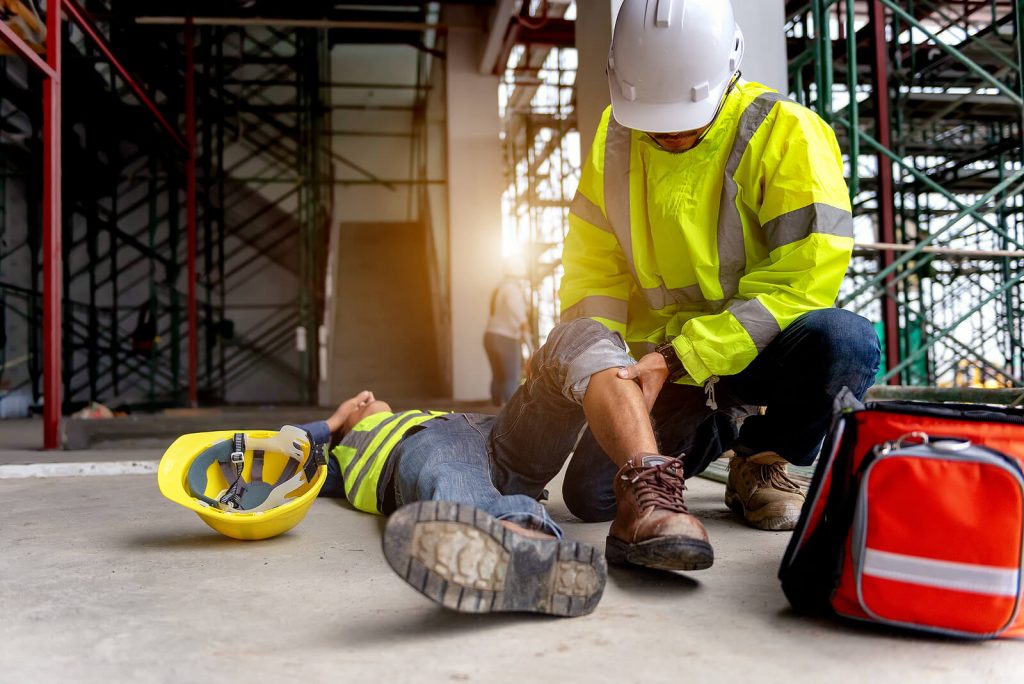
You might not be surprised to learn that working in the construction industry is a very dangerous profession. Thousands of employees are hospitalized each year for accidents that happen on or near construction sites, resulting in injuries ranging from minor cuts and bruises to deadly crush injuries. State and federal safety regulations have been implemented nationwide for the protection of construction workers as a result of the worrying injury rates for this group of workers. In addition to safety precautions to help prevent accidents, these regulations also offer suggestions for what to do in the case of an accident to safeguard your employee’s rights and well-being. Along with it an option for consulting a Manhattan construction accident lawyer at your convenience. How to Protect Yourself After an Accident It is crucial that the necessary actions are taken to protect the injured person’s safety and legal rights when you or a loved one is involved in a serious construction site accident. The sufferer is eligible for workers’ compensation benefits because the injury happened at work or as a result of performing work-related responsibilities. However, he must take specific actions to ensure his well-being and the viability of his claim in order to receive full benefits that pay for medical expenses and time off work. These actions comprise: Receiving health care. The first and most crucial actions to take following a worksite injury are to evaluate the damage and treat it. Before the injured person tries to return to work, a medical professional should diagnose and treat the injury, regardless of how minor it may seem. A bruised abdomen could be a symptom of internal problems, just as a modest bump on the head could conceal a concussion. Keeping a record of the location, time, and details of the mishap. If the accident victim is physically competent, he should be sure to note the important particulars of the incident, such as the date, location, and possible reason. These documents might eventually be cited as proof. Declaring harm. The injured person must without a doubt let his boss or superior know about the mishap as soon as feasible. The victim’s case notes will be updated with the name, title, and position of the person who accepted the report as well as the report’s submission date. Locating witnesses who can offer details regarding the accident. The injured person or his companions should, if at all feasible, compile all potential witnesses’ contact information. Making a quick account of what they witnessed could also be useful for later use as proof. Preserve any potential accident evidence. The scene of the accident, the victim’s injuries, and any items or equipment that were used should all be photographed. Try to keep as much documentation as you can. Obtaining medical records, paperwork, and images. The worker should make sure that all injuries are thoroughly documented, precisely recorded, and easily accessible before seeking medical assistance for the injury. Dates, medical professionals’ names, any care he received, and any medications that were prescribed should all be listed in the documentation. Contacting a qualified attorney. It might be challenging to establish a solid case for personal injury damages or workers’ compensation payments. Even if it is obvious that workplace negligence caused the injury, your employer could try to downplay your claim or outright deny benefits. In order to construct and simplify your claim, it is essential that you hire a Manhattan construction accident lawyer in cases of serious harm. Still, thinking about what to do? A well-known local law company called Siler & Ingber has long assisted many wounded workers in obtaining the compensation and assistance they require to heal. Isn’t it time you took use of his knowledge? For a FREE step to see how we can assist you secure a good claim, get in touch with our office right away. Here, we offer you a skilled Manhattan construction accident lawyer to handle every aspect of your case.
Drones Causing Injuries: An Emerging Trend In Personal Injury Cases

In the modern world, personal injury is not just related to workplaces, businesses, and auto accidents. Since drone photography and videography have become so popular, there have been stories of mishandled equipment accidents. Invasion of privacy has also been done using drones. Control loss: A broken controller, interference from other electronic devices, or simply failing to pay attention to the drone’s flight path can all lead to this. Operating a vehicle when intoxicated or high: The user of a drone must be sober and free from alcohol or other intoxicants in order to operate it safely. Crashes: Drones have the potential to collide with other things or persons, damaging or hurting them. Power outages: Drones are battery-powered, and if the power goes out, the drone may lose control right once and crash to the ground. Electrical Interruption: Drones can fail and crash because they are subject to interference from other electronic equipment. Collisions: Drones can collide with several things, including other drones, trees, and buildings. People on the ground or in the air may sustain injuries as a result of such collisions. Human-Interference: User intervention, like sabotage or vandalism, can also harm drones. Different Drone-Related Injury Types Injuries caused by drone accidents include the following: Cuts and lacerations: The sharp blades of drones have the potential to slash and lacerate skin when they come into touch with it. Depending on the extent of the cut and where it occurs on the body, these injuries can range from minor to serious. Bruises and contusions: If a drone strikes a person’s body hard enough, it can also result in these injuries. These wounds can be uncomfortable and take days or weeks to heal. Fractures: If a drone strikes a person forcefully, it may result in fractures or broken bones. A fracture can be a very serious injury that calls for immediate medical attention and other therapies including physical therapy. Trauma: When someone is hit in the head, they may experience concussion symptoms. The severity, duration, and types of care and monitoring needed for each concussion vary. Injury to the spinal cord (SCI): A drone mishap could result in a spinal cord injury for a person. The spinal cord, a bundle of nerves that extends from the brain through the back, plays a crucial part in the body’s numerous processes. Compensation Options for Victims of Drone Accidents The specifics of your case will determine the forms of compensation that may be available to you, but they could include the following: Medical costs: You could be able to get reimbursed for the price of any medical care or rehabilitation you needed as a result of your injuries. Lost wages: If your injuries prevented you from working, you may be entitled to compensation for the wages or salary you forfeited while you were recovering. Anguish and misery: A person may experience both physical and mental suffering as a result of an accident. Your drone accident injury claim could be eligible for money to cover some of your pain and suffering. Damage to property: In the event that the drone accident harmed any of your possessions, you may be entitled to compensation for the cost of repairing or replacing the damaged items. Who Is Liable in the Event of a Drone Accident? Normally, any injuries or damage brought on by a drone mishap would be the responsibility of the person or company controlling the drone. Any injuries suffered by people who are struck by the drone or collide with it while it is in flight would be covered by liability. Now ask a personal injury lawyer at Siler & Ingber Attorneys, and know about your legal rights and alternatives if you have been hurt in a drone accident and want to pursue a claim for damages.
How can an Elevator Accident Lawyer Help you?
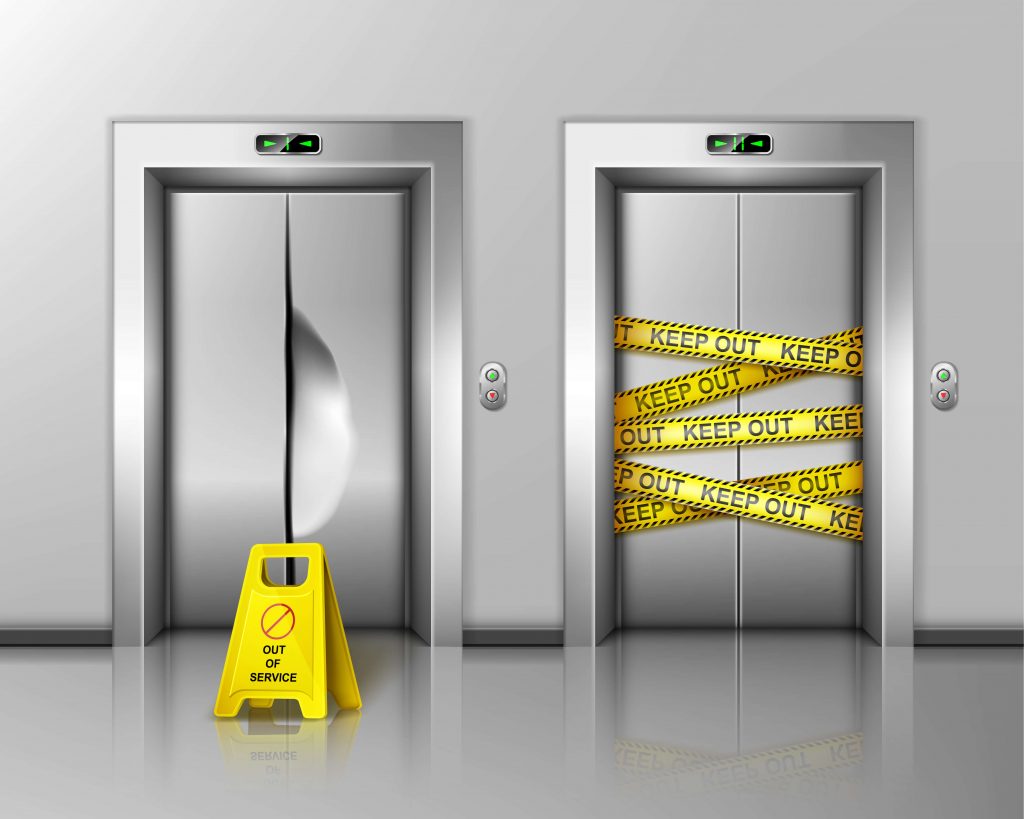
Elevators can be seen in residential areas, malls, offices and mostly in all places with more than 2 to 3 floors. Millions of people use elevators on a daily basis as these make our lives much easier. Even though elevators are safe and mostly function properly but they can also be terrifyingly dangerous when they malfunction, causing serious injuries and even fatalities. In the city of New York, there are some set laws that govern the installation of the elevators, their maintenance and inspection, but then there are always a few cases where because of faulty or ill-maintained elevators numerous people get injured each year. There are quite a few scenarios which can cause elevator-related accidents. For example, a person can get caught between the doors of the elevator, can fall down the elevator shafts or even suffer serious injuries when an elevator platform collapses. In these cases, the common injuries could include back injuries, head injuries and broken bones. When elevator accidents do occur, those responsible for the manufacturing, upkeep and safety of the elevators, can be held responsible. If you or someone known to you has been injured in an elevator accident should get in touch with a personal injury lawyer who can help you get the rightful compensation for your sufferings. Types of Elevator Malfunctions & Defects The malfunctions and defects of the elevators can be very dangerous for its users. These defects could be due to:- Faulty elevator doors which create the risk of crushing or falling. Mechanical defects or breakdowns causing an elevator to drop suddenly. Improper maintenance Elevator control malfunction or faulty wiring which creates a risk of electrocution Inspection by negligent officials Who is Responsible for Elevator Accidents? To determine who is actually responsible for an elevator accident is not that simple. It typically depends on the nature of the accident. There are some rare times when even the passenger is at fault. If you or someone you know has sustained injuries in an elevator accident, it is important to get in touch with a personal injury lawyer who can guide you in a proper manner in this complex world of elevator law in New York City. Here are some parties listed below that could potentially be responsible for an elevator accident that occurs. Elevator manufacturers and/or designers The owner of the property where the elevator caused the accident The subcontracted elevator maintenance companies Elevator attendant ( if there is one present) The Company that installed the elevators What is a personal Role of a Personal Injury Attorney in an Elevator Accident Case? Attorneys /Lawyers play a very major role in cases involving elevator accidents & injuries. With the help of a lawyer, you can maximize your compensation, get immediate medical attention and also assist in managing your ongoing medical treatment and care. Further, an elevator injury attorney can gather relevant evidence of the poor elevator safety. You can easily file a workers’ compensation claim with an attorney’s assistance. If all goes as planned and your attorney is successful in bringing a suit or claim, you can receive financial compensation for:- Lost Wages Pain & Suffering Medical Expenses Property Damage The attorneys at Siler & Ingber are one of the best at what they do. You can get in touch with them if you or someone you know has been injured in an elevator accident. Get in touch immediately and let us evaluate your case for free.
What Are The Types Of Damages that Can Be Recovered In A Personal Injury Case?

The initial step in every personal injury lawsuit is to establish negligence. The plaintiff must then establish the other party’s negligence directly caused their injury, which is known as causation. The injured party must then decide what damages they are attempting to recover in the settlement. There are two basic categories of recoverable damages in a personal injury lawsuit: compensatory and punitive. To determine if one (or both) will be able to satisfy a harm claim, plaintiffs must comprehend the differences between the two. Major Personal Injury Case Types Personal injury law, commonly known as “tort” law, aims to make amends for those who suffer losses as a result of the conduct of others. Typical personal injury claim examples include: Auto mishaps: The majority of personal injury claims and lawsuits in the US are related to auto accidents. When drivers break the law of the road, car accidents frequently result. Falling-off cases: A “slip and fall” case, sometimes known as a “premises liability” case, is another typical sort of personal injury case. Legal obligations require property owners to keep their homes and businesses secure. A person may file a lawsuit against the property owner for damages if they suffer an injury as a result of the unsafe property Product liability: People who sustain injuries as a result of a faulty or excessively dangerous product may bring a lawsuit against the product’s seller and maker. Accidents account for the majority of personal injury claims, but you can also file a lawsuit against someone who purposefully hurts you. Medical malpractice, dog bite injuries, defamation, wrongful death, and child sexual abuse claims are more instances of personal injury cases. Two Different Forms of Compensatory Damages They are meant to restore plaintiffs to their pre-injury state, to the extent that is practicable. Compensation damages can be split into two primary groups: special and general. Special Damages Special damages, sometimes referred to as “economic damages,” reimburse claimants for out-of-pocket costs associated with their injuries. Among exceptional damages examples are lost wages (past and future) medical expenses (past and future) the price of replacing damaged goods, cleaning services, and household expenses while the plaintiff is healing. General (Non-Economic) Special damages are easier to quantify than general damages, sometimes known as “non-economic damages.” They are designed to make up for plaintiffs’ intangible losses resulting from harm, such as Trauma and Stress (both physical and mental), bodily impairment or disfigurement, loss of reputation, loss of pleasure in life. Death by Mistake Damages The surviving family members of the victim may bring a wrongful death claim or lawsuit when the victim dies as a result of another person’s negligence or wilful wrongdoing. Damages for wrongful death include, for instance: burial and funeral costs Cost of the deceased person’s pre-death medical care, together with their pain and suffering, due to emotional anguish (called a “survival claim”) Loss of consortium as well as loss of the expected income and services that the deceased person would have given. The person in charge of the victim’s estate often brings wrongful death claims on behalf of the survivors. The precise criteria for someone to count as a survivor differs from state to state. Punitive Damages The purpose of compensatory damages is to make up for the plaintiffs’ losses. Punitive damages are something else. Punitive damages are intended to hold defendants accountable for their improper conduct. Punitive damages are typically only available in places where there has been purposeful wrongdoing, such as a serious battery, sexual assault, or massive financial fraud. Punitive damages are permitted in other states when there has been “gross negligence.” When defendants disregard the safety or life of others, they exhibit extreme negligence. Speak with a lawyer Speak with a lawyer if you’re considering bringing a personal injury claim or lawsuit. A lawyer can provide you with information and assist you in determining the worth of your settlement. From Siler & Ingber, find out more about selecting a personal injury attorney.